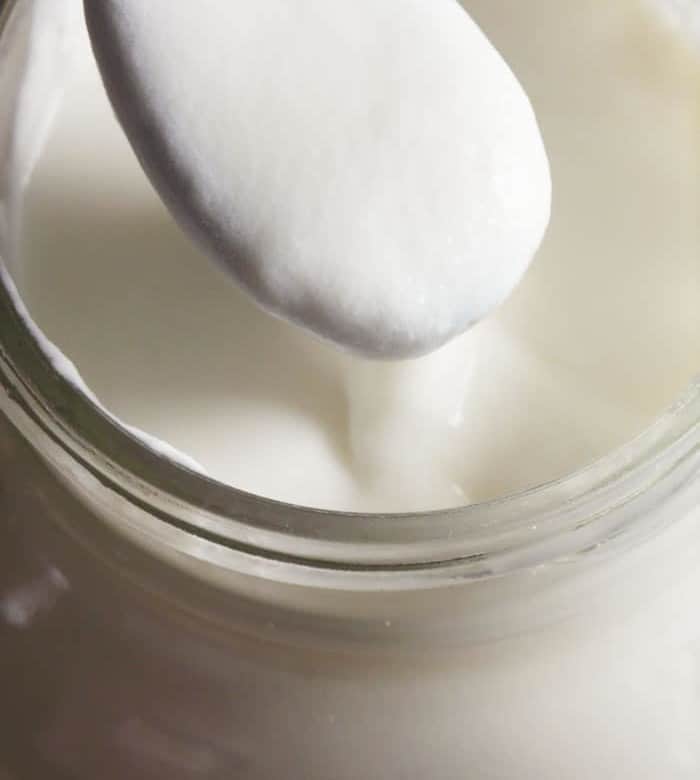
Homemade Cultured Buttermilk is going to be a game changer for you. It’s literally as easy as mixing two things in a jar.
And whoa are you going to love having all that fresh homemade cultured buttermilk around. Read or scroll through to the end for great ideas on how to use up your real buttermilk.
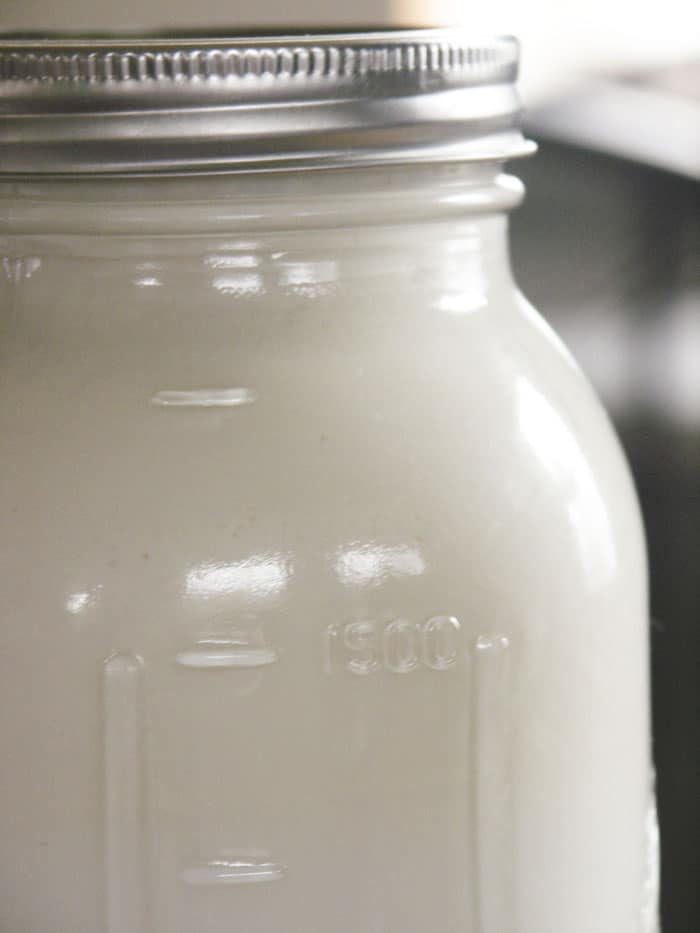
I use a lot of homemade buttermilk. And by ‘a lot’ I mean a ton.
Many of my baked goods contain buttermilk. Much of my salad dressing uses buttermilk.
And my beloved, The Evil Genius? He drinks buttermilk.
Now before any of you out there yawp with a resounding, “EW!” let me just mention that millions of Southerners and displaced Southerners are right now saying, “Mmmmmmmm! A nice tall glass of buttermilk with salt and pepper sounds mighty fine right now.”
A reminder: never yuck another person’s yum. Unless we’re talking durian, then all bets are off… (You may want to read about my family vs. Durian.)
We go through a lot of the stuff. And I may have mentioned that I live in the middle of nowhere in Amish country before (or a million times before, but who’s counting?) so frequent last minute trips to the store are not convenient.
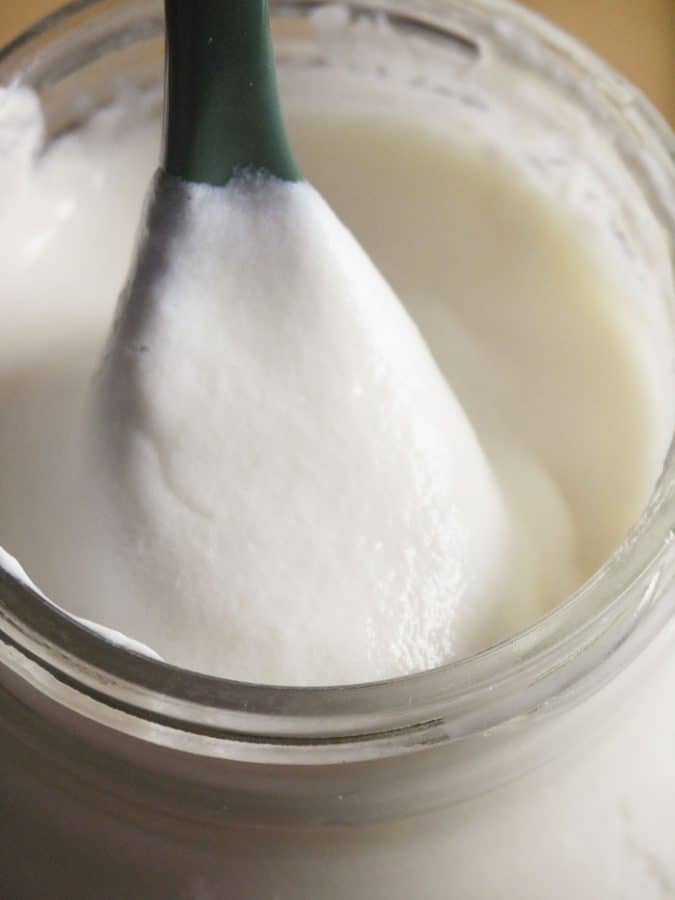
How to Make Real Buttermilk
There are probably quite a few of you out there saying, “Oh please. All you have to do is add a little vinegar or lemon juice to milk and you get the same thing. Why buy buttermilk?”
See? I just knew someone out there was saying it. Not so fast! It’s not the same thing. To prove my point, I have to talk science for a moment.
While the acidified milk might give you the same tang of buttermilk, it lacks woefully in the texture and viscosity department.
Buttermilk is used in recipes for several important reasons. First, it is acidic, so it helps invigorate leavening agents -such as baking powder, baking soda and yeast- when added to baked goods.
The acid also helps combat discoloration in baked goods and promotes deep, beautiful browning. Buttermilk contains natural emulsifiers; this improves texture and aroma, and extends shelf life after baking.
The acidity of your homemade cultured buttermilk makes it a wonderful addition to marinades for chicken and pork. The acid helps tenderize the meat and gives it a tangy flavor.
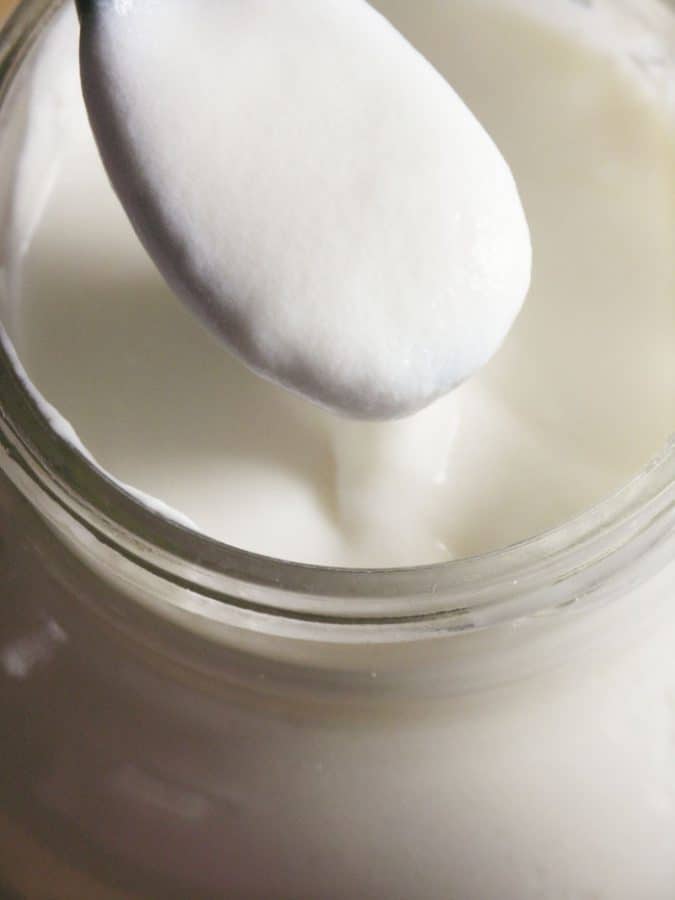
Cultured Buttermilk
You know the ‘cultured’ part of cultured buttermilk? It’s good for you.
It contains many active cultures similar to those found in yogurt. Most of the cultures generally found in buttermilk are form the Lactococcus Lactis family and many of their subspecies.
Those cultures are what make homemade cultured buttermilk so thick and creamy. And what? Good for you!
Now that you know more than you probably ever wanted to know about buttermilk let’s get onto the ‘Why make my own?’ thing. Because you can.
Seriously. You need more than that?
Okay. Also make it because it’s dirt cheap, it’s super simple, it’s really fun and you’ll never run out of buttermilk again.
Hang on one second. Someone out there just said, “I never use a whole thing of buttermilk. What do I do with all that buttermilk?” I’m so glad you asked. How about a few of these ideas:
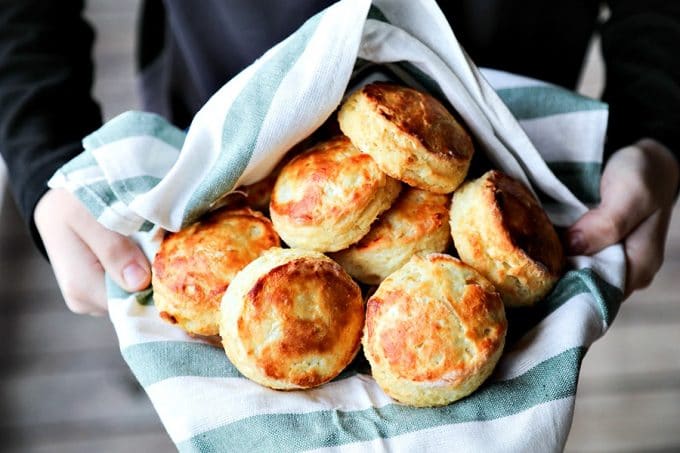
Perfect, flaky, Homemade Buttermilk Biscuit Take it from me, these buttermilk biscuits would do my Arkansas Grandma proud… They’re lofty, flaky, tender, and utterly divine.
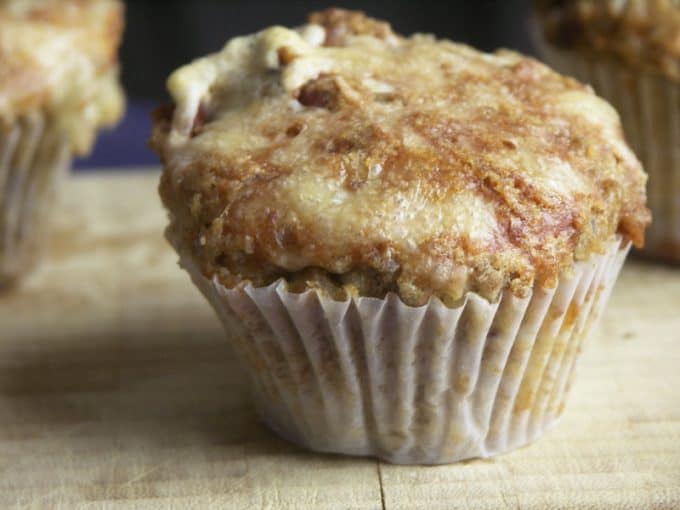
Bacon and Swiss Rye Muffins These are every bit as good as they sound and as easy as pie. No wait! They’re easier than pie. Pie can be hard.
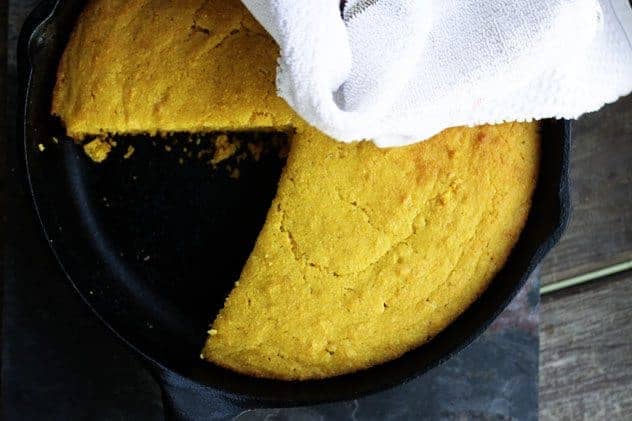
Grandma’s Buttermilk Cornbread This is my Grandma’s buttermilk cornbread recipe and it is ridiculously delicious and the ultimate comfort food.

Buttermilk Cornbread Rounds Based on my Grandma’s Buttermilk Cornbread recipe, these perfectly portioned cornbread rounds fit neatly in the hand and go anywhere cornbread goes, but look cuter doing it! This one’s going a little way back in the FWF archives.
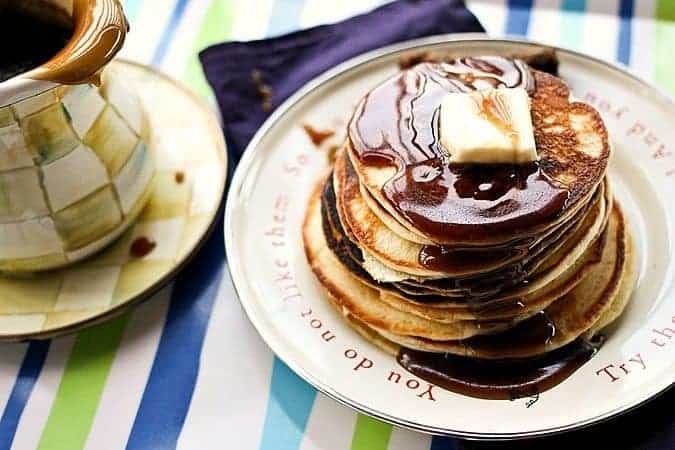
Buttermilk Pancakes Nothing beats beautiful, light, airy buttermilk pancakes smothered in real maple syrup. Nothing. This one’s also reaching way back.

Garam Masala Depression Cake from Val. Nothin’ depressing about THAT cake, I’ll tell you. We’re talking about a decadent, Garam Masala flavored chocolate cake with orange buttercream and toasted coconut.
Oh my. I only take issue with the number of servings Val specified in it. It looks like a one-person cake to me.
I would be remiss if I didn’t mention these others…
- Chocolate Chip Breakfast Cookies (Drop scones)
- Extra Crispy Fried Chicken Fingers (The Evil Genius can cook!)
- Cornbread Salad
Are you good and hungry yet? Excellent. Let’s make some buttermilk. I promise it doesn’t take but two shakes.
Homemade Cultured Buttermilk
Scroll to the bottom for an easy-print version of this recipe!
Ingredients:
- 1/4 to 1/2 cup cultured buttermilk (from the store or home cultured)
- 1 to 2 quarts skim,1%, 2%, or whole milk from the store or raw milk
Also needed:
- 1 clean, dry quart or half gallon jar with a tight fitting two piece lid.
Okay. Ready? If you blink you’ll miss how to do it.
Pour buttermilk (1/4 cup for a quart jar or 1/2 cup for a half gallon jar) into your clean jar. Top off the jar with your plain milk.
Tightly screw lid to the jar and shake vigorously for 1 minute. Place in a warm (but not hot) area out of direct sunlight.
Let it sit there for 12 to 24 hours, until thickened. Refrigerate when thick.
Use within two weeks. If you re-culture this regularly, you can carry on re-culturing indefinitely.
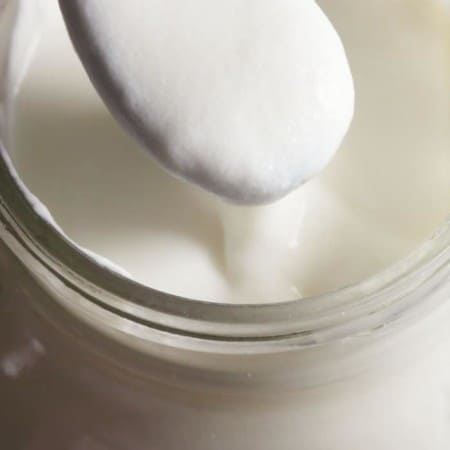
Now here’s a glimpse of my finished product. Note that mine is super thick. I used raw, whole milk to culture my buttermilk. If you use skim, it may end up a little thinner than what you see here.
Homemade Cultured Buttermilk
Rate RecipeIngredients
- 1/4 to 1/2 cup cultured buttermilk from the store or home cultured
- 1 to 2 quarts skim 1%, 2%, or whole milk from the store or raw milk
- Also needed:
- 1 clean dry quart or half gallon jar with a tight fitting two piece lid.
Instructions
- Okay. Ready? If you blink you’ll miss how to do it.
- Pour buttermilk (1/4 cup for a quart jar or 1/2 cup for a half gallon jar) into your clean jar. Top off the jar with your plain milk. Tightly screw lid to the jar and shake vigorously for 1 minute. Place in a warm (but not hot) area out of direct sunlight. Let it sit there for 12 to 24 hours, until thickened. Refrigerate when thick. Use within two weeks.
Notes
Nutritional information is an estimate and provided to you as a courtesy. You should calculate the nutritional information with the actual ingredients used in your recipe using your preferred nutrition calculator.
did you make this recipe?
Make sure to tag @foodiewithfam on Instagram and #hashtag it #foodiewithfamily so I can check it out!
This recipe was originally posted March 24, 2010, and was updated with photos, links, and improved notes March 2021.
Reader's Thoughts...
Janet says
Can you use 1% low-fat buttermilk to make this?
Rebecca says
Hi Janet- You sure can! So long as it is cultured buttermilk that still contains live and active cultures, you can use whichever variety you want.
Lori Waddell says
I make my own butter; can I use the uncultured buttermilk to mix with a little cultured buttermilk, instead of just milk, to have a thicker real buttermilk? Thank you !!
thomas says
Hello, great site. Question on this buttermilk I take 1/2 gal of milk than put in the new england buttermilk starter culture,as i drink it after cultured i put more milk in it,
but if i dont drink it soon after a few days it starts to curdle what does it turn into?? if i let go on longer?? thank you tom
Rebecca says
Hi Tom, I’m not quite sure what the question is. Is it whether you can continue to add milk to it without leaving it out? Or is it why the New England starter cultured buttermilk curdles if you don’t drink it after a few days?
George says
Could we use curd instead of buttermilk culture? Thanks
Rebecca says
Hi George- I’m not sure, honestly, as I’ve never tried it!
Crystal says
I have a dairy cow and want to make cultured buttermilk from scratch , is there a way to do it without buying cultured buttermilk ? Can I use kefir ?
Rebecca says
Hi Crystal- Kefir is made differently than buttermilk and yogurt (using grains rather than mixing in culture), so not really. If you don’t want to purchase cultured buttermilk, you can actually purchase dried buttermilk culture from cheesemaking supply places (including some that offer their culture on Amazon.) How fortunate you are to have a dairy cow!
Robin says
Is it possible to use and culture the buttermilk left behind when making butter? Can I just substitute for milk?
Rebecca says
Hi Robin- I have not personally tried that because I don’t have a steady supply of raw milk. If you give it a shot, let me know how it works out for you!
Elaine says
Hi Robin,
I make butter twice a week with cultured cream, so always have a supply of buttermilk, all this is cultured, so yes is the answèr to your question.
Christina says
Absolutely. I’ve done this, and just add cultured store bought buttermilk to the leftover whey/buttermilk from making butter.
Randy says
I live in Mexico and it is impossible to find real cultured buttermilk. I would like to make my own but since I cannot buy cultured buttermilk to get the process going I am wondering if I can just let the milk sit out for more than 24 hours? Or is there something else I can do? I so miss buttermilk and so many recipes I love call for it.
Rebecca says
Hi Randy- I don’t advise leaving your milk out at room temp for 24 hours without first inoculating it with good bacteria. If you can’t find cultured buttermilk, my first recommendation would be to order cultured buttermilk starter from a cheesemaking supply place. If that isn’t an option, you can try an equal amount of Crema (but make sure it isn’t adulterated with lime juice, salt, etc…) in place of the cultured buttermilk.
Elaine says
Randy, you could just buy cream, if its raw cream straight from the farm, then yes we leave that out 24-48 hours before whipping it into butter, shop bought crean could be whipped up into butter then the whey you have left whichever cream you use is Buttermilk, this is then added to milk and left out to culture to make cultured buttermilk.
Sage says
I have really enjoyed buying from New England Cheese Making Co. I have no idea if they ship to Mexico but their Buttermilk starter worked wonderfully.
Diane says
Hi Rebecca,
I just made my first batch of buttermilk using a store-bought low-fat buttermilk and whole milk. It was rather cool in the house, so I placed the mixed jar in the oven with the oven light on (electric bulb), and to my surprise, it was 110° in there the next morning! The mixture did not thicken, and even separated. It was in the oven for about 18 hours, and is now on the counter top (reshaken). Did I kill the culturing bacteria with too much heat? —or does it just need more time?
Diane
Diane says
I found this on culturesforhealth.com….
“The temperature for culturing buttermilk can vary from 70º-77ºF, but it is very important to stay within that range. Too warm and the bacteria will die. Too cool and the culturing will halt, and will likely not start again.”
Guess that answers my question🙁
Also, I had the lid on waaaaaay too tight —missed those instructions completely! Time to start over…
Hunter says
unfortunately, unless you were shopping in a high-end store, that cultured, buttermilk from the grocery store was probably pasteurized which killed all of the buttermilk culture. Be sure to check the side of the bottle to see if it says live cultures. If not, you’ll have to find another buttermilk supplier for your first batch, or you can get on Amazon Amazon in order to start a culture and powder form.
Samantha says
How do you know if it didn’t work? I had scraped part of my cream off the milk before adding in the buttermilk. Mine isn’t thickened and of course I didn’t shake it vigorously, just a little. I left mine out for 24 hours and my house was not super warm the whole 24 hours.
Rebecca says
Hi Samantha- It’s hard to say what went wrong without being there. I’m assuming you’re using raw milk since you’ve scraped off the cream? I’d let it go at room temp up to another 24 hours but do give it a hearty shake first. 🙂
Debbie says
Can you put some of your homemade buttermilk in an ice cube tray and freeze? When you are ready to culture more, thaw and make more. I do this when I make yogurt and it works beautifully.
Rebecca says
Hi Debbie! You most definitely can do that! I’d use the frozen cubes up within a couple of months if you’re planning to reculture them, but you can use them for cooking for up to a year after freezing them!
Diane says
Can I use milk which has just soured (just past the Best Buy date) to make buttermilk, or is there already bad bacteria present?
Rebecca says
Hi Diane- I would not use it, personally. I would, however, use that milk in baking.
Diane says
Thanks for your reply. Yes, I intended to bake with it, so glad to know others consider it okay to do so😊
Diane says
Just had delicious cornbread made with the “spoiled” milk with our dinner tonight. Worked perfectly!
Renee says
Love this recipe. Thank you. I have a few questions. I’ve made this several times but just noticed that I should have been using a two piece lid. Is that absolutely necessary or may I carry on using single lids?
My second question is in regards to “reculturing” the milk. Can you please explain how this is done?
Thank you again.
Rebecca says
Hi Renee- Thank for taking the time to rate the recipe and get in touch with your questions. The two piece lid is not strictly necessary, but I find it’s handy for cleaning and keeping a little looser while it cultures at room temperature.
Reculturing simply means reserving part of the buttermilk you made to culture your next batch. It’s like endless buttermilk when you do it that way. Or nearly endless anyway, until the bacterial culture in it weakens. 🙂