Let’s talk chicken stock.
Do you keep it handy? Having chicken stock around is like owning a black dress or a pair of red shoes; it’s just something you have to have to have and it makes you feel good.
The best chicken stock is made in your own kitchen. You can control the final product -the complexity, the flavor profiles, the intensity, the salt content- because you decide what goes into the pot. But there’s more to it than the simple issue of control (What did I just say? Something is more important than control?) There’s the issue of texture.
I know that most of the time texture is not the first thing that pops into the noggin when contemplating chicken stock but let me explain why it should be. Sure, you can go buy a carton of stock off the shelf at your local grocery store, but it can’t hold a candle to the homemade stock. (For reasons other than the stock carton’s clear lack of opposable thumbs.)
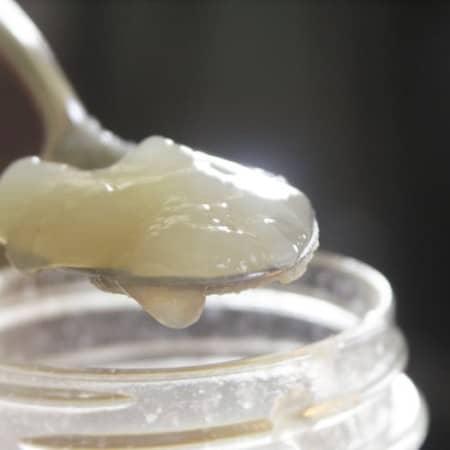
Homemade stock, when done well, becomes thick and gelatinous when refrigerated. This is because it contains all sorts of lovely dense, mega-nutrition in forms that the body can absorb easily; calcium, protein, gelatin, glucosamine, chondroitin, magnesium and phosphorous. Store bought stock, even the fancy-schmancy brands, just can’t make this boast. And why? Because in homemade stock, you slow simmer the bones and trimmings -the throw away bits of meat*- until everything good that can be extracted from them is incorporated into that lovely elixir.
*I keep a little pail with a tight fitting cover in my freezer. Into that pail go all the trimmings from every chicken I cook; the bones from chicken thighs, the necks, (cleaned) feet and backs of chickens that I break down for various meals. And let me tell you, you haven’t had an amazing stock until you’ve made one with chicken feet. If you don’t have access to whole chickens with the feet and necks, check an ethnic market around you. The Evil Genius frequents the Asian foods market near his office building. He is able to grab two pounds of chicken feet for about $3.50 for me. It’s slightly disconcerting to look into a simmering stockpot full of chicken feet. Kind of a Lady MacBeth feeling, but boy howdy, it’s worth it. It yields the most velvety, full-flavored chicken broth you’ve ever tasted because of all the gelatin from the connective tissue in the feet. Blech. I know. But once you’ve tried the stock you’ll be convinced.
Made with or without chicken feet, amazing nutritional qualities are one of the many reasons that homemade stock has long been considered the food to feed to those who feel sick, weak, depressed or otherwise under the weather. It’s nourishing. It’s satisfying. It’s simple. It’s economical. It’s what food should be.
My two favorite stock recipes are given here, but they’re just guidelines. Put what you like in your stock; just remember that the flavors become concentrated. And lay off on the salt while making stock. Salt is for broth. If you leave the salt out here, you can better control the final product when you cook with your stock.
And lest you be skeeved out by the idea of gelatinous chicken stock let me reassure you. (I understand! I was a vegetarian for seven years. It was baby steps back into the meat world [starting with a bacon bender- but that's another story] and the thought of gelatinous chicken stock would’ve done me in…) It’s only when it’s cold that it’s thick like this. When you cook with it the gel-like texture disappears and results in a silky smooth liquid chicken stock. Don’t just take my word for it though, give it a try!
For a photo-free, printer friendly, non-chatterbox version of these recipes, click here!
Basic Chicken Stock
This stock is the bees-knees for use in soups, risotto, plain rice, sauces and any other places you need a good, basic chicken stock.
Ingredients:
- 2 pounds chicken trimmings (backs, necks, bones, fat, skin, and cleaned chicken feet, if available. Above all, make sure you have many uncooked bones in the mix.)
- 2 large carrots, scrubbed and broken in half
- 2 stalks of celery, scrubbed and broken in half
- 1 large onion, halved and peeled
- a handful of parsley stems (save the leaves for use in other dishes)
- 10 black peppercorns
- water
Add the chicken to the stockpot and cover with cold, fresh water by four inches. Bring to a simmer -when an occasional bubble breaks the surface of the steaming liquid, but it is not boiling- and skim any foam or impurities that rise to the surface of the liquid. After 30 minutes of skimming and simmering, add the remaining ingredients to the pot and cover partially. Simmer for at least 4 hours but up to 10 hours, adding additional boiling water if the liquid drops below the level of the solids in the pot. Remove from the heat and fish out as many solids as you can get with a pair of tongs, transferring them to a bowl. Position a fine mesh strainer, or a colander lined with cheese cloth or a clean tea towel over a large bowl or another stockpot. Pour the stock through the strainer. Add the solids that you removed to the strainer and press with the back of a wooden spoon to squeeze out as much stock and flavor as you can. Discard the remaining solids.
Cover the stock and chill until the fat rises to the surface. Skim off the fat. (You can store the chicken fat in the freezer to use to make the best roasted potatoes you’ll ever taste!)
You can store the stock in the refrigerator, tightly covered, for up to 5 days. If you wish to store it longer, you can transfer to smaller containers and freeze for much longer.
If you, like me, are a canning maniac and want to go that extra step, reboil the stock, and pour the boiling stock into clean canning jars. Screw on new two-piece lids and process in a pressure canner at 10 pounds of pressure for 25 minutes. And if you want more details on just how to do that, let me know. I’m happy to share!
Asian Chicken Stock
This stock is delicious in Asian-style noodle or dumpling soups or just sipped by itself. And I can’t think of much that I enjoy more than a piping hot bowl of jook or congee made with this stock.
Ingredients:
- 2 pounds of chicken trimmings (Preferably mostly feet and necks, but you can use any combination of bones, meat and skin that you can find.)
- 1 head of garlic, intact, but rubbed to remove the papery exterior
- 1 (2-inch) piece of fresh ginger
- optional, 2 fresh chile peppers (jalapeno, habanero, Thai, etc…)
- water
Add the chicken to the stockpot and cover with cold, fresh water by four inches. Bring to a simmer (when an occasional bubble breaks the surface of the steaming liquid, but it is not boiling.) and skim any foam or impurities that rise to the surface of the liquid. After 30 minutes of skimming and simmering, add the garlic, ginger and chile peppers (if using), partially cover the pot and simmer for at least four more hours, but up to 10 hours, adding additional boiling water if the liquid drops below the level of the solids in the pot. Remove from the heat and fish out as many solids as you can get with a pair of tongs, transferring them to a bowl. Position a fine mesh strainer, or a colander lined with cheese cloth or a clean tea towel over a large bowl or another stockpot. Pour the stock through the strainer. Add the solids that you removed to the strainer and press with the back of a wooden spoon to squeeze out as much stock and flavor as you can. Discard the remaining solids.
Cover the stock and chill until the fat rises to the surface. Skim off the fat. (You can store the chicken fat in the freezer to use in fried rice or frying dumplings.)
You can store the stock in the refrigerator, tightly covered, for up to 5 days. If you wish to store it longer, you can transfer to smaller containers and freeze for much longer.
If you’d like to can this stock, follow the directions given above in the Basic Chicken Stock recipe.